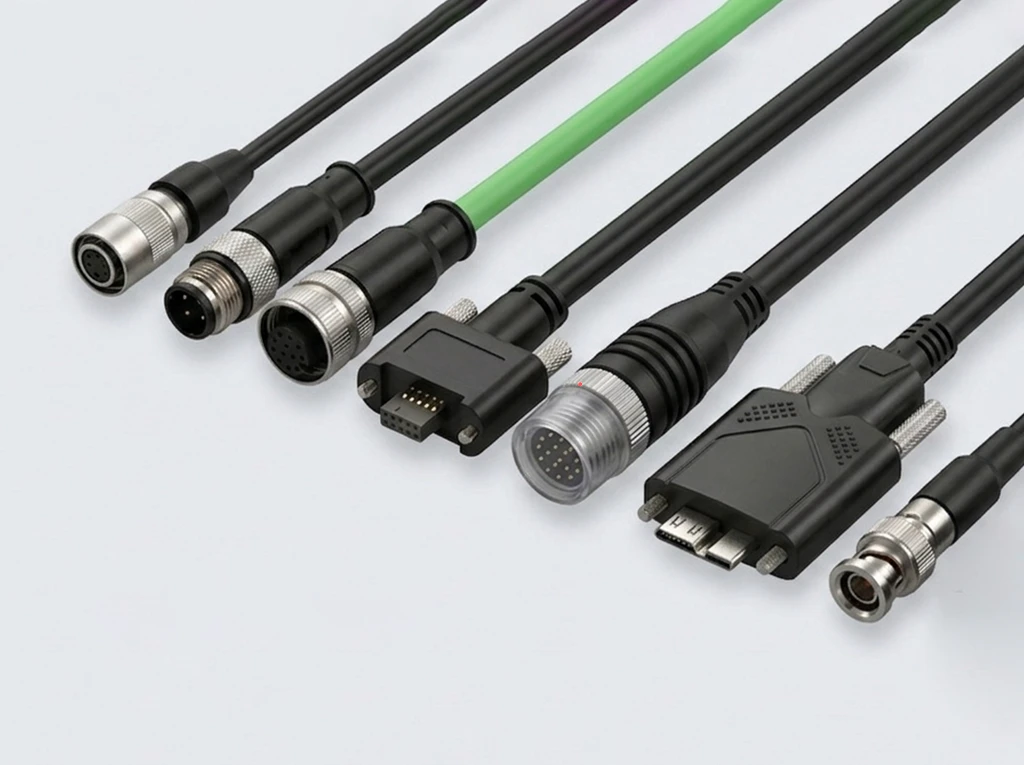
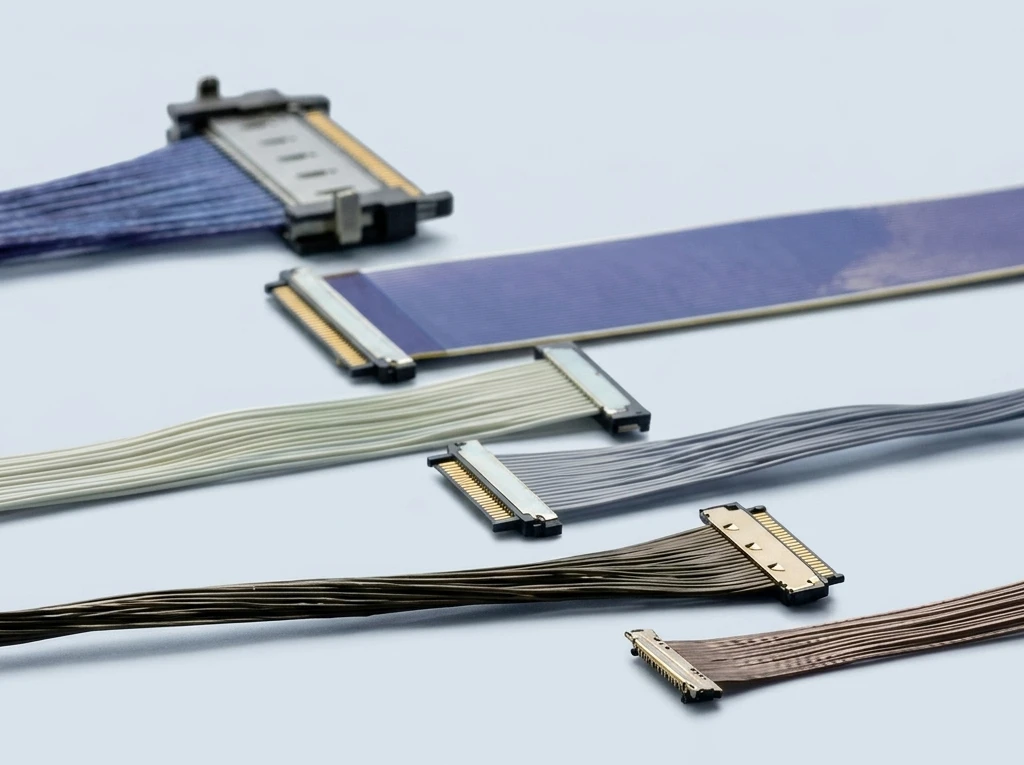
For machine vision and medical imaging, and other high-speed or noise-sensitive systems, cable performance is not just about conductors. It is about impedance, loss, skew, shielding, grounding, and protocol margin.
A cable can pass continuity and still fail the system. At high speed, high frequency, or low signal levels, a cable is no longer just a wire — it behaves as a transmission system.
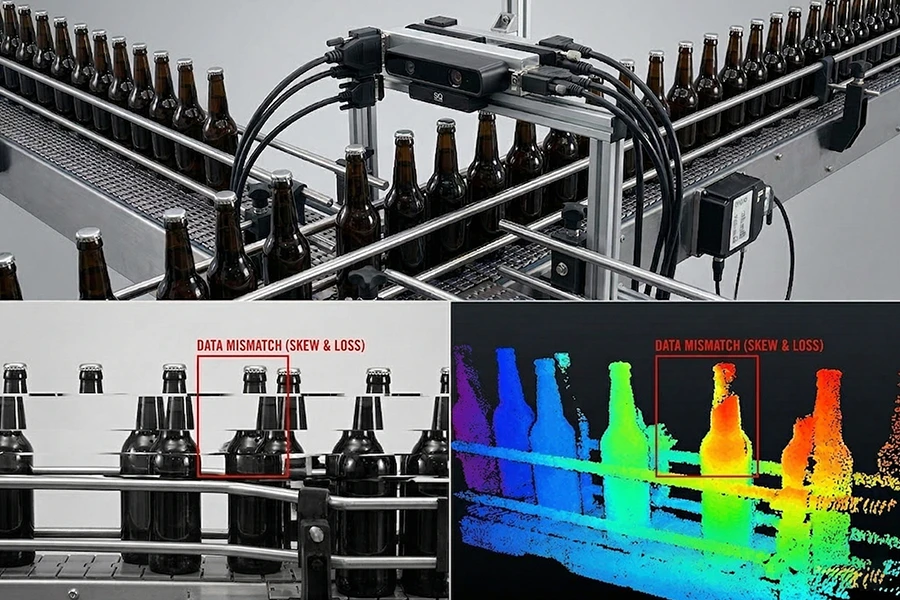
When vision systems run at multi-Gbps speeds, the cable is no longer just a connection. Insertion loss, return loss, impedance consistency, and skew all directly affect whether the image arrives clean or corrupted.
For example, CoaXPress 2.0 can reach up to 12.5 Gbps on a single coax cable.
Protocols like Camera Link and LVDS are also highly sensitive to timing consistency.
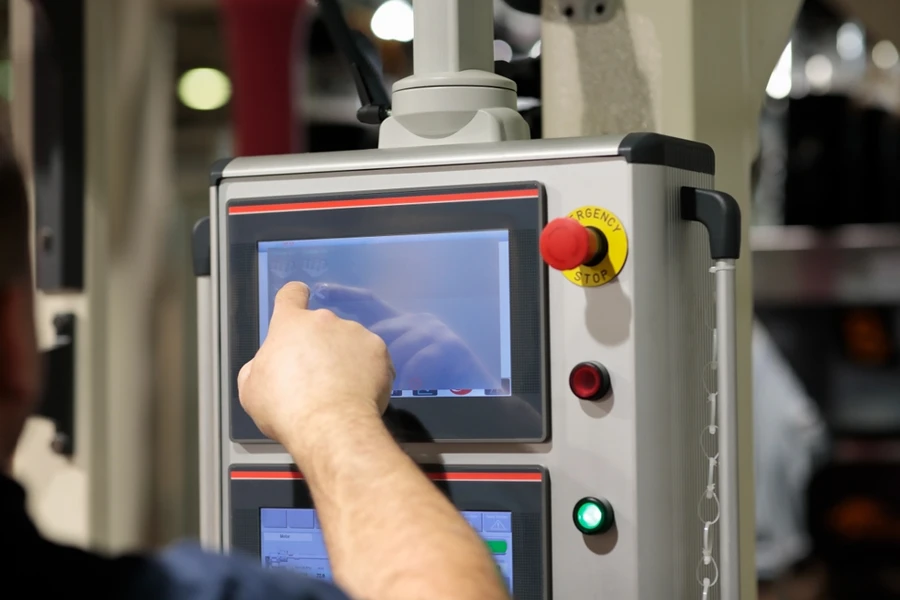
EtherCAT requires extremely precise synchronization, with distributed clocks operating at nanosecond-level accuracy, so even small delays or signal variations can disrupt system timing.
CAN and RS-485 also rely on controlled impedance transmission lines, typically 120Ω, where poor impedance matching or incorrect termination can cause reflections, unstable communication, and random system faults.
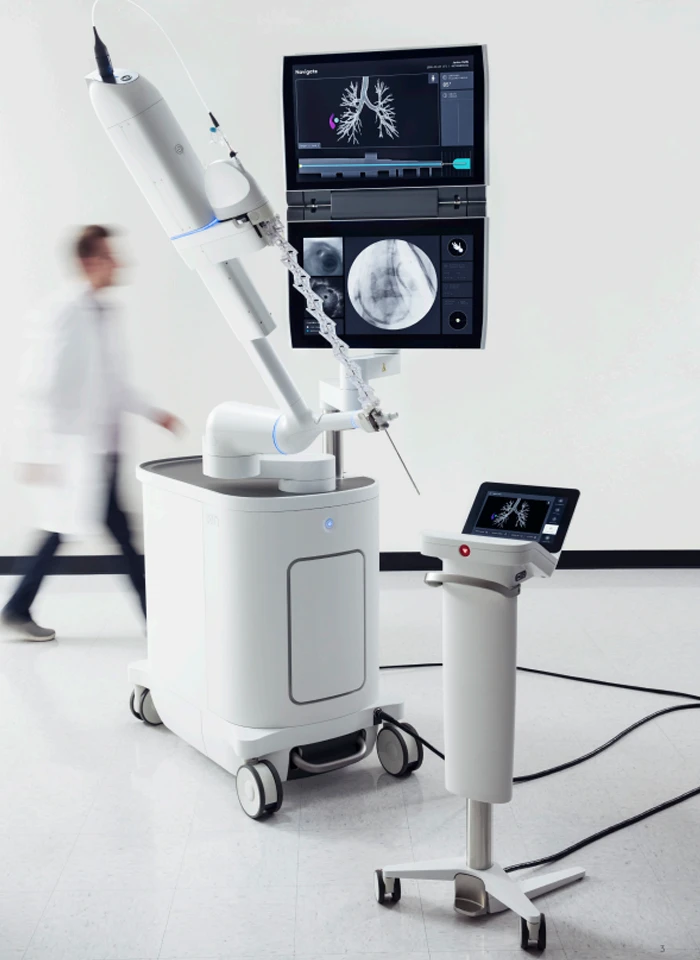
Medical cables must do more than carry signals — they must protect them.
Material selection and structure must balance shielding, flexibility, durability, and sterilization compatibility.
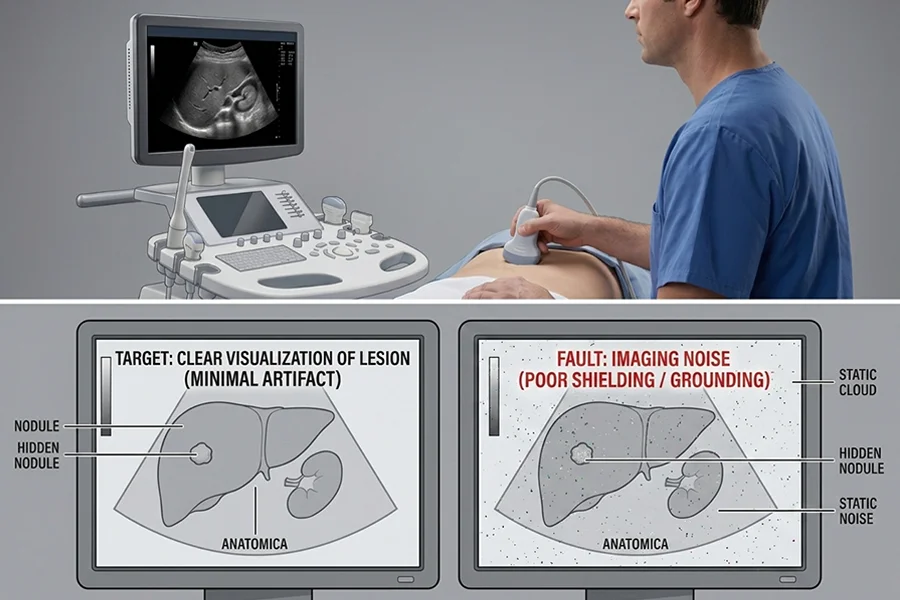
In high-sensitivity systems like ultrasound or imaging devices, even small amounts of noise from poor shielding or grounding can directly affect image quality and reliability.
High-speed camera connectivity, shielding performance, stable signal transmission and cable constructions for both fixed and moving vision systems.
Compact, lightweight and shielded cable assemblies for medical electronics, with support for material selection, validation planning and project-specific testing.
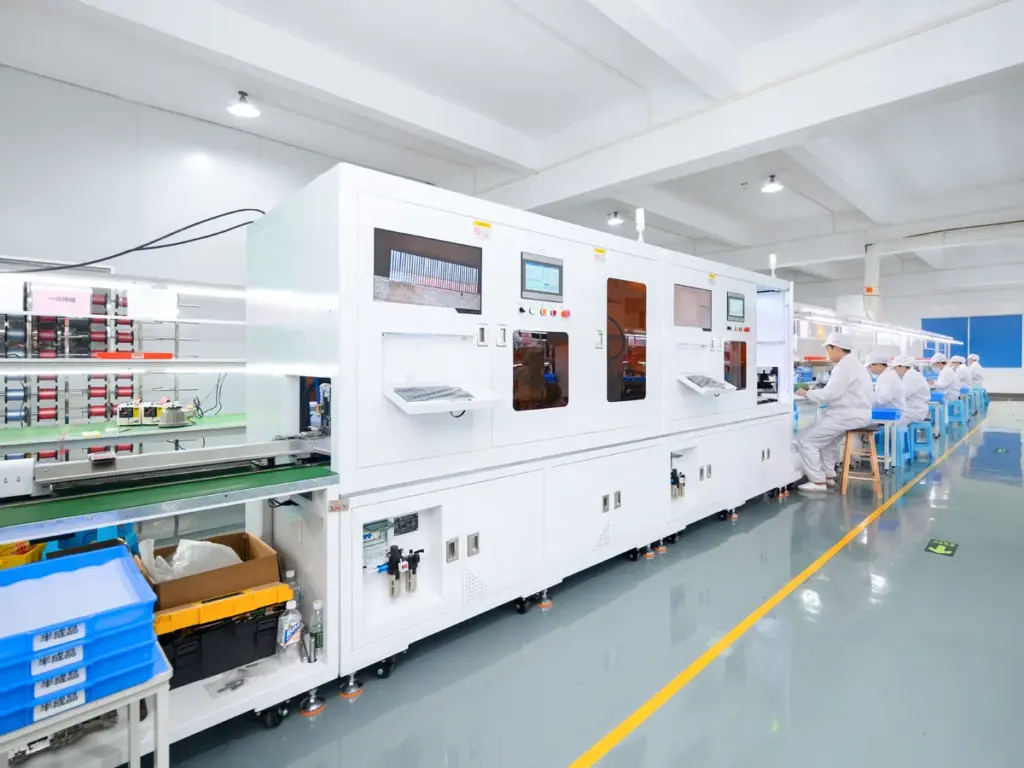
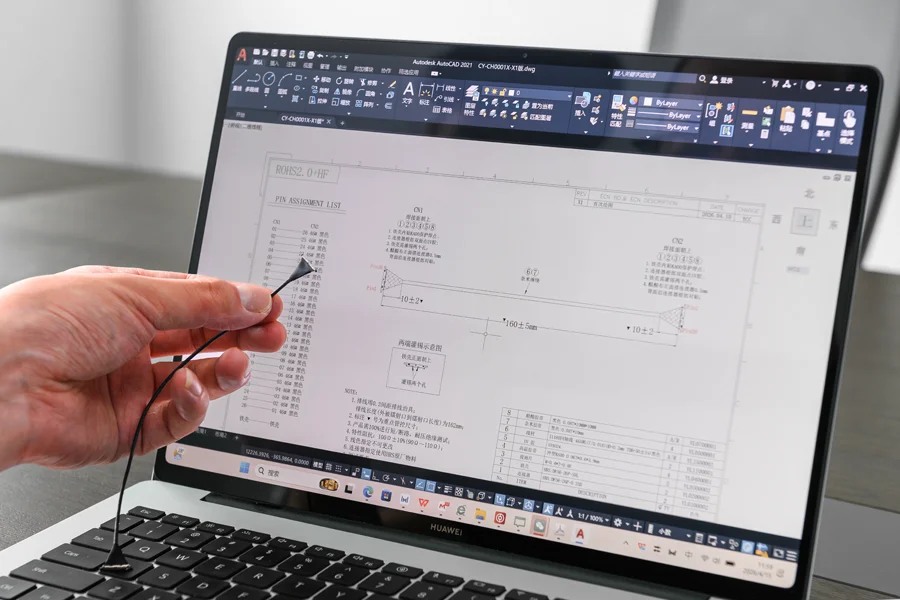
We support you from 3D CAD design to manufacturing, turning your cable assembly idea into a production-ready solution. With efficient custom cable and assembly factories and a reliable supply chain for cable materials and connectors in China, we can complete small to large orders quickly.
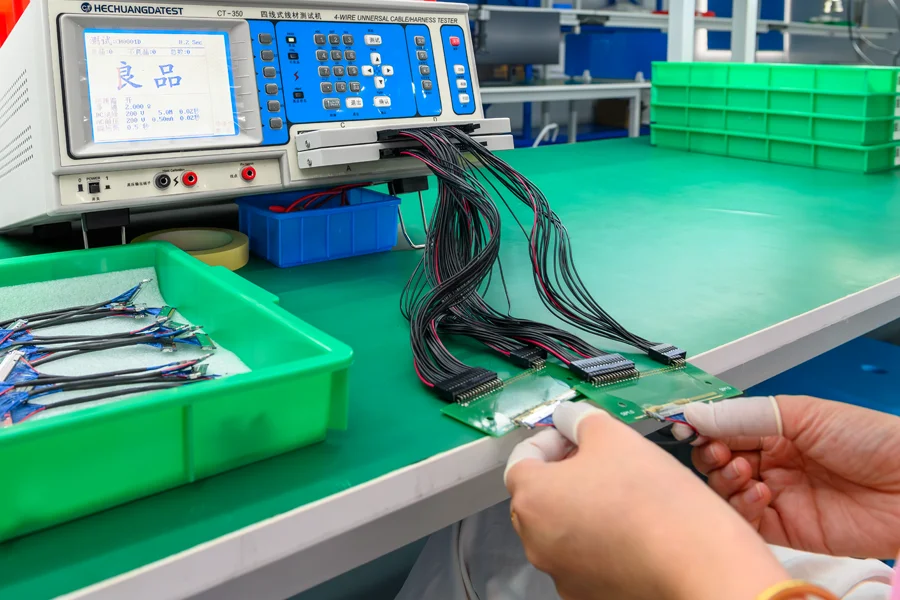
For many applications, the cable assembly is not a commodity part — it is a critical link in system performance. That is why we support project-specific validation across electrical, mechanical, environmental and shielding-related test items.
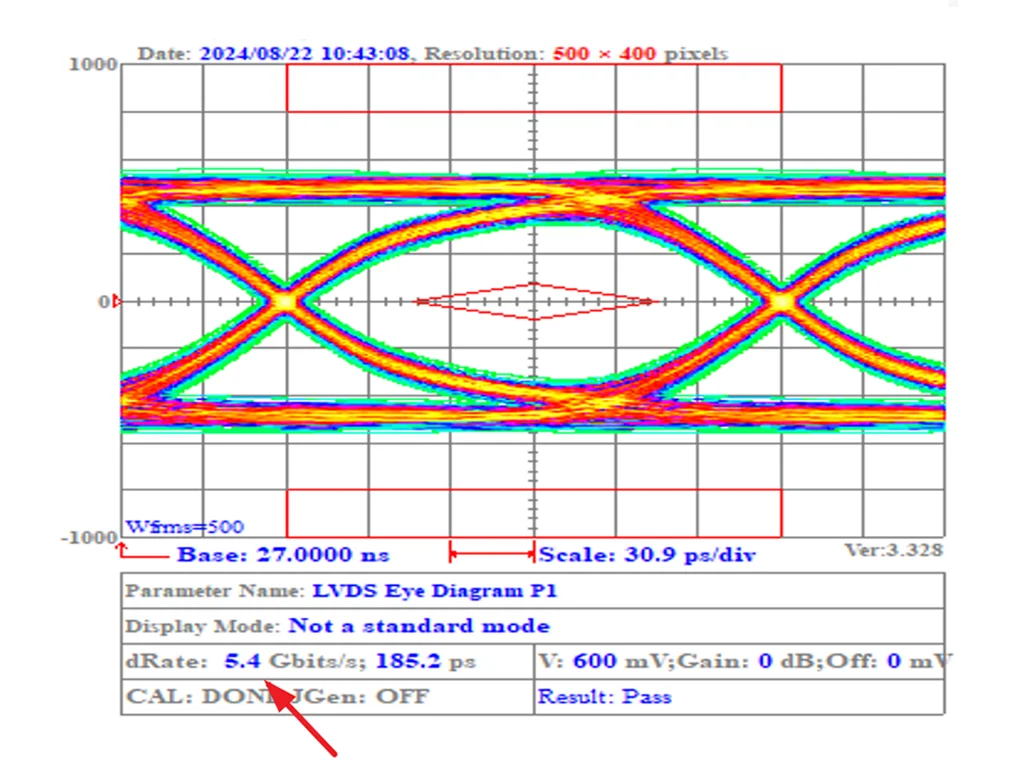
Validate real data transmission conditions through eye diagram testing under high-bandwidth scenarios. Ensure a wide and clean eye opening with no mask violation, providing sufficient noise margin to maintain stable, error-free signal transmission.
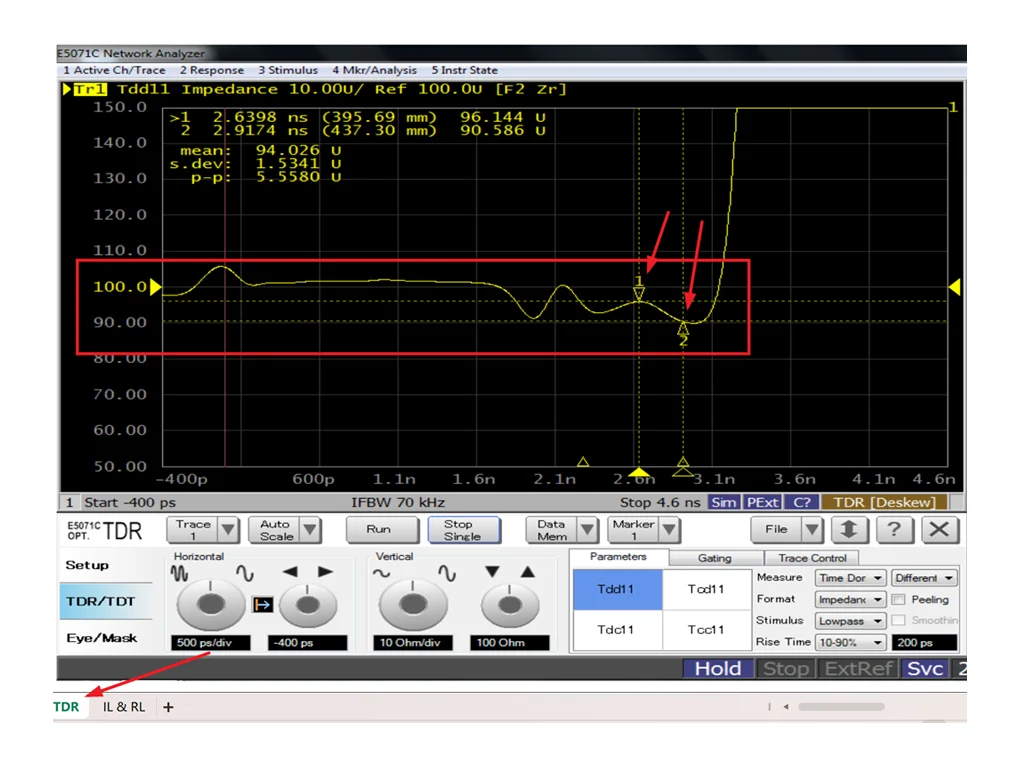
Control impedance across the entire transmission path within 100Ω ±10Ω using TDR verification. Eliminate reflection caused by impedance mismatch and ensure stable signal propagation in high-speed and precision electronic systems.
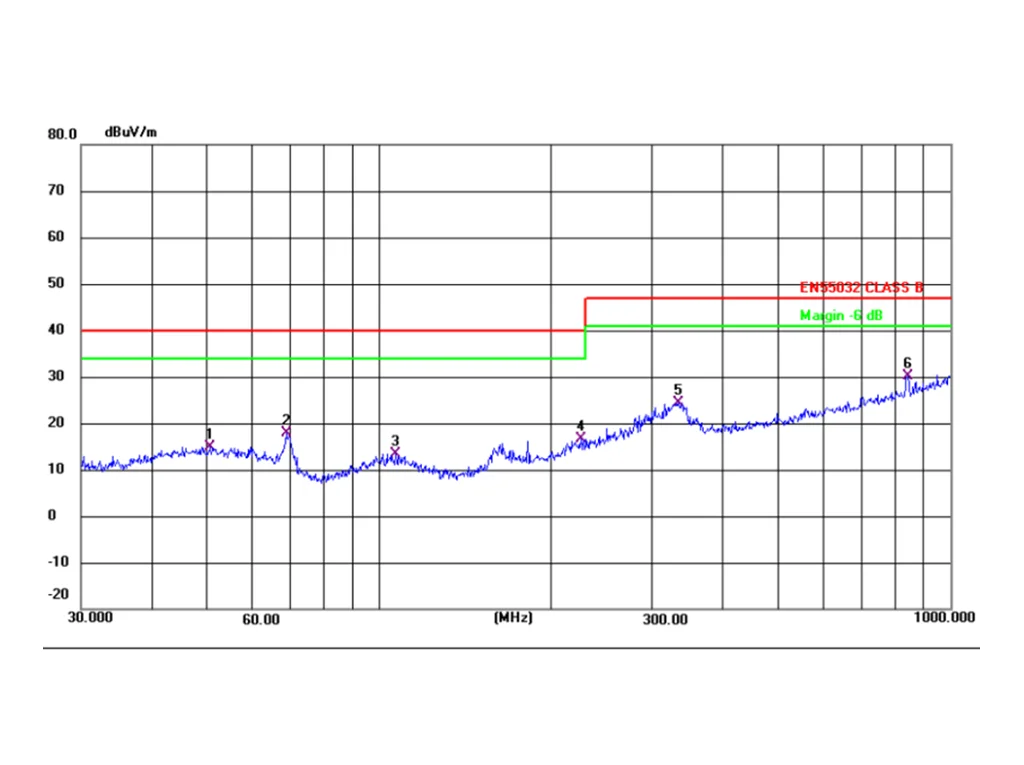
Verify shielding effectiveness to maintain signal stability under strong electromagnetic interference. Ensure compliance with strict EMC requirements, enabling reliable operation in industrial and medical environments.
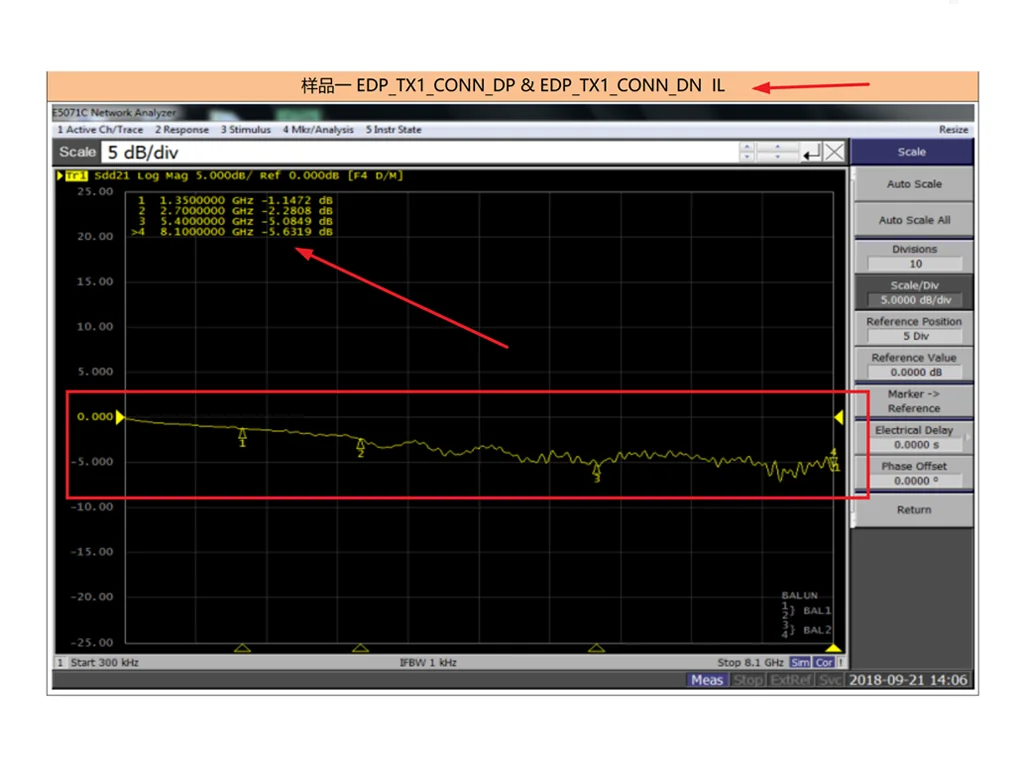
Align multi-channel signals by keeping intra-pair skew within 30–50 ps, ensuring synchronized arrival at the receiving end. Maintain a stable loss profile across high-speed transmission to eliminate timing deviation at the physical layer and prevent image distortion in vision systems.
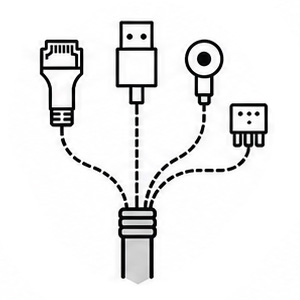
From Multiple Interfaces to One Engineered Solution
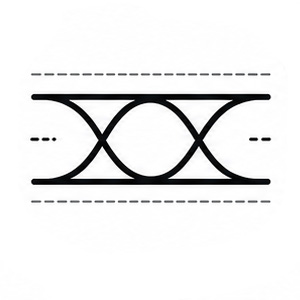
Designed for High-Speed Protocol Stability
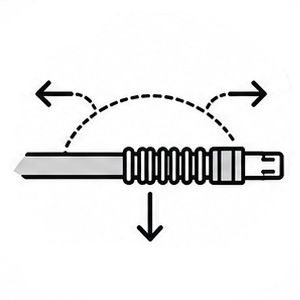
Built to Withstand Real-World Stress
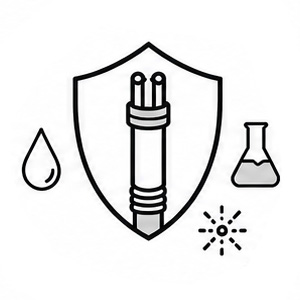
Not Just a Cable — A Matched Material System
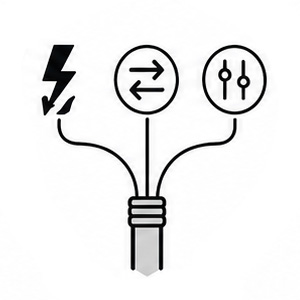
Power + Data + Control in One Integrated Design
Not Just Build-to-Print — Build-to-Function
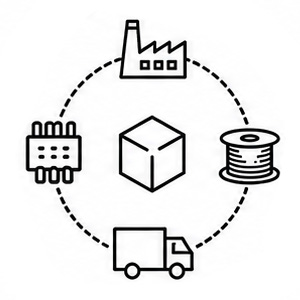
Managing Complexity Across Multiple Suppliers

Tested Performance with Measurable Results
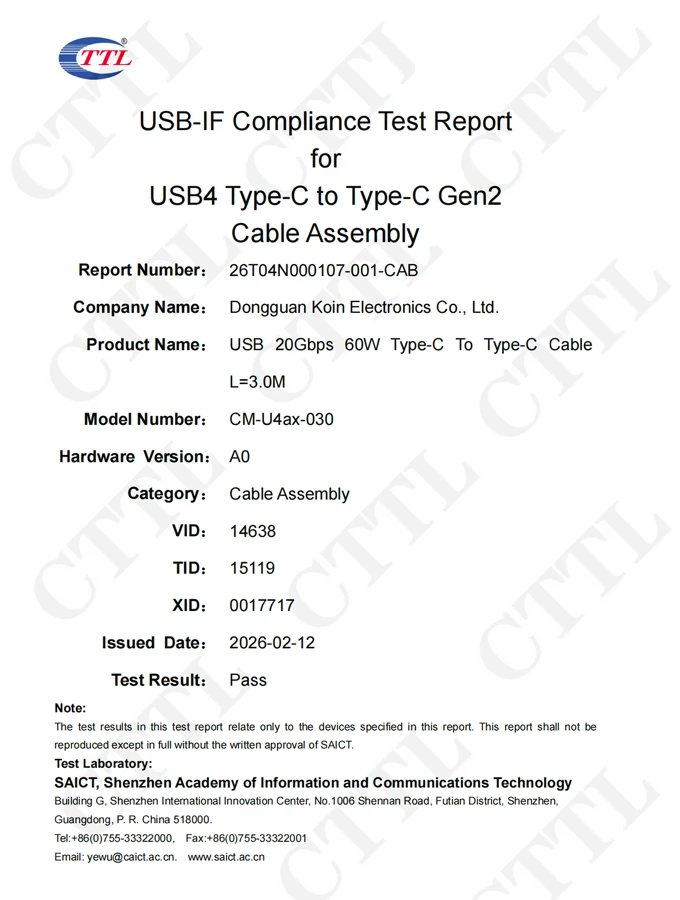
Certification